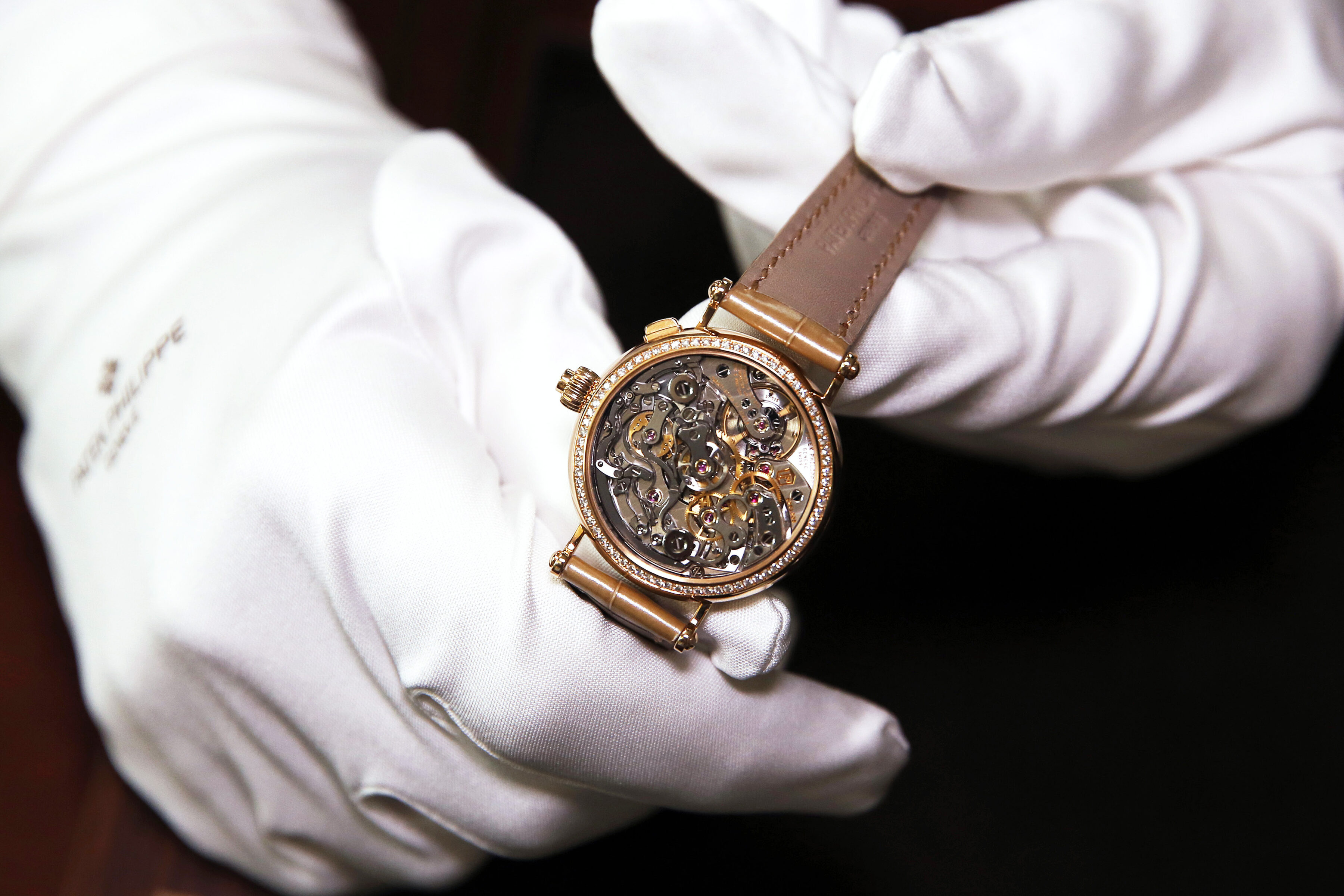
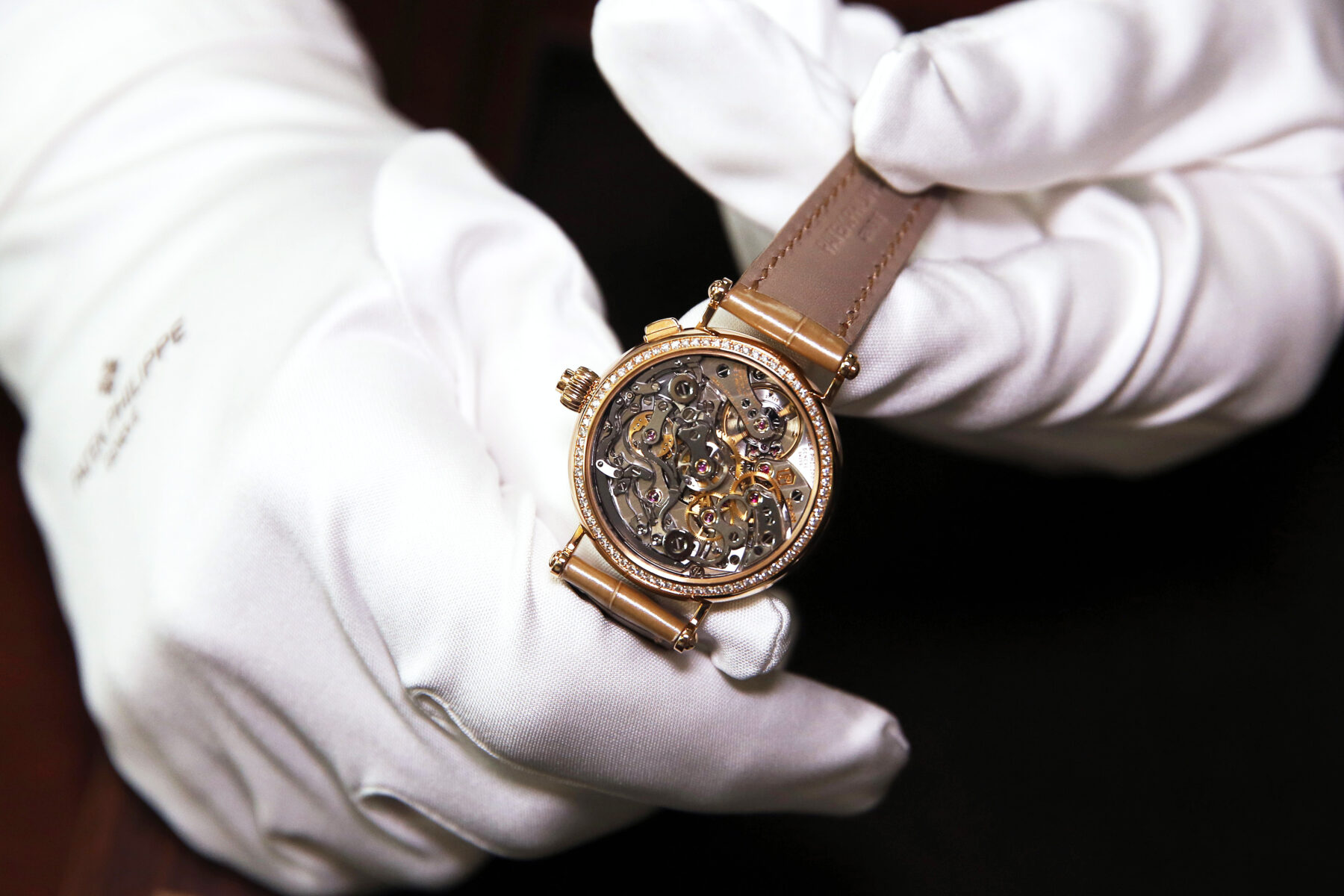
The secondary market in luxury watches has undergone a significant shift in perception in recent years with demand skyrocketing. Secondhand models are now desirable for many reasons: shortages in the supply chain, long waitlists for new designs and an inclination among budding collectors to make sustainable purchasing decisions.
Though the secondary luxury watch market experienced a post-pandemic decline, it’s now growing faster than the primary market. According to Deloitte’s Swiss Watch Industry Insights 2024 spotlight, the likelihood that survey respondents would buy a pre-owned watch in the following year doubled between 2020 and 2024, while the number of respondents who were “not interested” almost halved over the same period.
Since preloved watches are more accessible in both price and availability, vintage, neo vintage (made between 1990 and 2004) and modern watches are a gateway for younger enthusiasts. Online, millennial watch experts like Ben Clymer, founder of magazine and website Hodinkee, share their love for collecting with a massive readership. Meanwhile, dealers such as Mike Nouveau and noahnoahnoah have become social media celebrities with their global watch-hunting videos. Haute horology houses such as Rolex, IWC and Richemont have also recognized the demand and launched their own certified pre-owned curations with a young consumer in mind.
Still, making the leap into the secondary market—especially in the digital world—can be overwhelming. Dusan Baic, the head curator at watch retailer Discreet Peacock, has a unique understanding of how to navigate the market because he has been both a buyer and a seller of rare pieces from Piaget, Cartier, Patek Philippe and Audemars Piguet and more. Here, he shares his tips for purchasing a high-end timepiece to enhance a collection.
Gather insight before investing
Prior to making a purchase, Baic recommends asking detailed questions—of the seller or other experts—about the watches that have caught one’s eye. Google is not always the most reliable source of information. Instead, joining a group of enthusiasts willing to share their knowledge is a wise tactic. Baic himself received much of his education at in-person watch meetups like those hosted by RedBar Group, but online forums such as WatchUSeek are also an ideal place to glean insights, read reviews and ask questions of other collectors.
Buy the seller
Finding a reputable seller with transparent verification and return policies is the next step of a watch-collecting journey. Anyone unsure about gauging trustworthiness might consider purchasing from established platforms such as eBay or WatchFinder, both of which provide authentication guarantees to help protect buyers against counterfeit items.
Finding a source with similar interests and tastes matters, too, because watches are an extension of one’s personality. Collectors who are attracted to bold designs, shapes and colours, for example, are best off with a watch seller who understands the allure of the eccentric case of the Cartier Crash, a Piaget with a hardstone dial or a tank-shaped Patek with a barked finish. Buyers and sellers who appreciate similar designs are more likely to forge a fruitful long-term partnership.
Get the
Three from 3
newsletter
Join our global community of sharp, curious thinkers to receive a carefully curated email of the three most important things to read, see and do this week.
Listen and learn.
Tune into Third Culture Leaders, a podcast hosted by our co-founder and publisher, Muraly Srinarayanathas.
Explore how leaders skillfully navigate multiple cultural landscapes, leveraging their diverse backgrounds to drive innovation and change.
Purchase what ignites passion
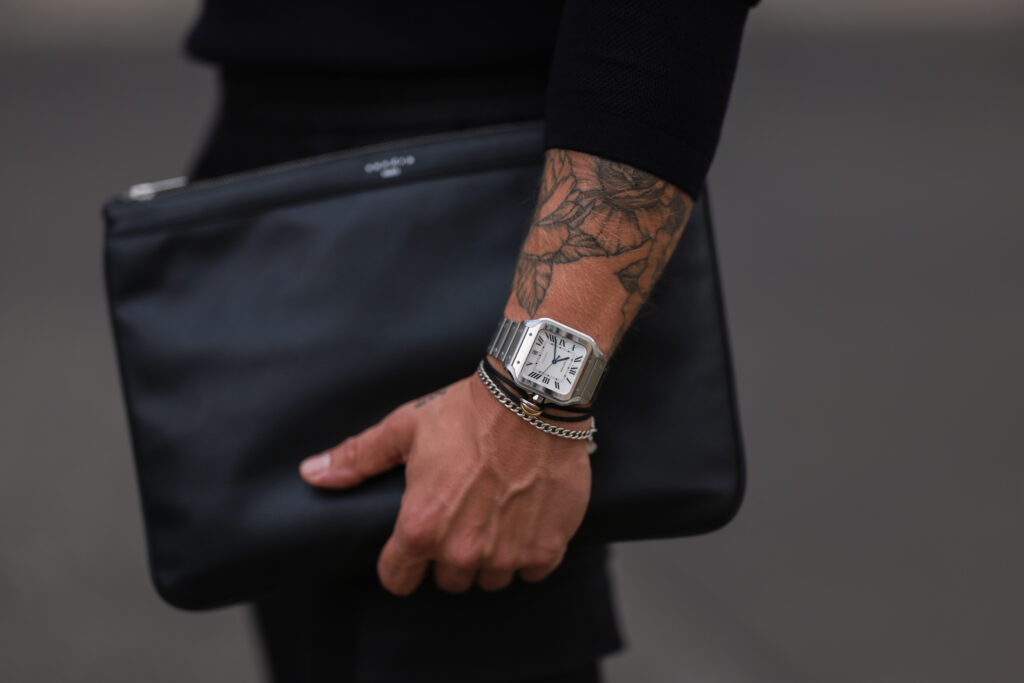
The secondary market is booming, but it is also fickle. That means a collector may be better off buying a piece they love over one they hope to quickly flip for a profit. “When you see [the watch], it’s got to be a ‘hell yes,’” adds Baic. “It’s got to give you energy.” Right now, Baic notes a demand for formal watches like the Patek Phillipe Calatrava and time-only Cartiers, but he predicts that table clocks and pendant watches could soon be the next big thing.
Resell with intention
When trying to offload a watch, there are three options: sell the item outright, consign the piece or trade it in. Trading will often give the best return on investment because it’s a relatively quick process and no commission is taken.
Choosing an appropriate buyer is also important because the world of pre-owned luxury timepieces is deeply rooted in relationships and trust. As Baic notes, the true value of a watch extends beyond its resale potential; it lies in its power to forge connections, both to history and to a community of like-minded enthusiasts. In addition, a seller will be far more likely to give notice to a close contact if a holy-grail watch suddenly turns up. For serious collectors, the journey is not about short-term gains, but about legacy and discovery.